
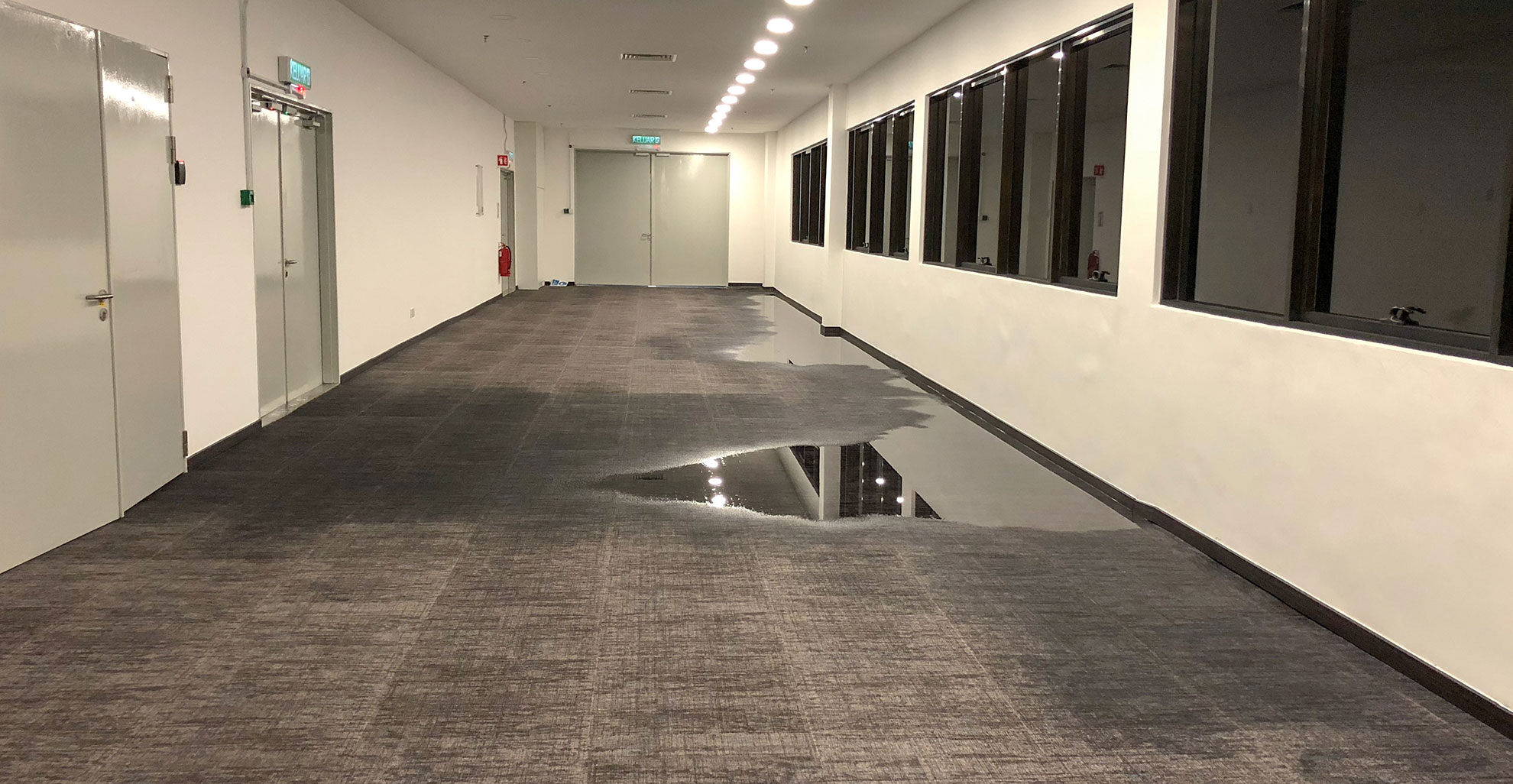
Basement waterproofing is an essential process for homeowners looking to protect their properties from water damage and mold growth. With fluctuating weather patterns and rising groundwater levels, basements are often the first areas to face moisture problems, leading to significant structural issues and costly repairs. Understanding the importance of waterproofing can save homeowners not only money but also the hassle of dealing with potential hazards that arise from a damp environment.
In this article, we will explore the various methods of basement waterproofing, from interior solutions like sealants and drainage systems to exterior approaches such as grading and membrane applications. Each method offers distinct benefits tailored to different situations, making it crucial for homeowners to assess their specific needs. By implementing effective waterproofing strategies, you can transform your basement into a dry, usable space while enhancing the overall value of your home.
Interior Waterproofing Solutions
Interior waterproofing methods include the application of sealants, installation of sump pumps, and the use of interior drainage systems. Sealants act as a barrier on the walls and floors of your basement, preventing moisture from seeping in. Sump pumps play a crucial role by collecting and redirecting groundwater away from the basement, particularly during heavy rainfall. Additionally, installing an interior drainage system can effectively channel water towards the sump pump, further mitigating the risk of flooding. For homeowners wanting to delve deeper into the necessity of these measures, exploring these solutions is beneficial and can be guided by resources like Does a Basement Need Waterproofing?
Exterior Waterproofing Techniques
When considering exterior waterproofing, homeowners often focus on grading the landscape around the foundation to ensure proper drainage. This technique prevents water from pooling near the base of the home, effectively steering it away from the basement. Another common approach is applying waterproof membranes on the exterior walls, which creates an impenetrable barrier against moisture intrusion. By combining these external methods with internal solutions, homeowners can significantly enhance the protective measures for their basements, creating a drier, healthier living environment.
In conclusion, effective basement waterproofing is not just a preventative measure; it’s an investment in the long-term health and value of your home. By understanding and implementing both interior and exterior waterproofing strategies, homeowners can mitigate the risks associated with water damage, such as mold growth and structural deterioration. This dual approach ensures a comprehensive defense against moisture, transforming the basement into a dry, usable space that adds value to the property. Ultimately, taking proactive steps to waterproof your basement can enhance your living conditions, safeguard your investment, and provide peace of mind against the uncertainties of weather-related issues.