
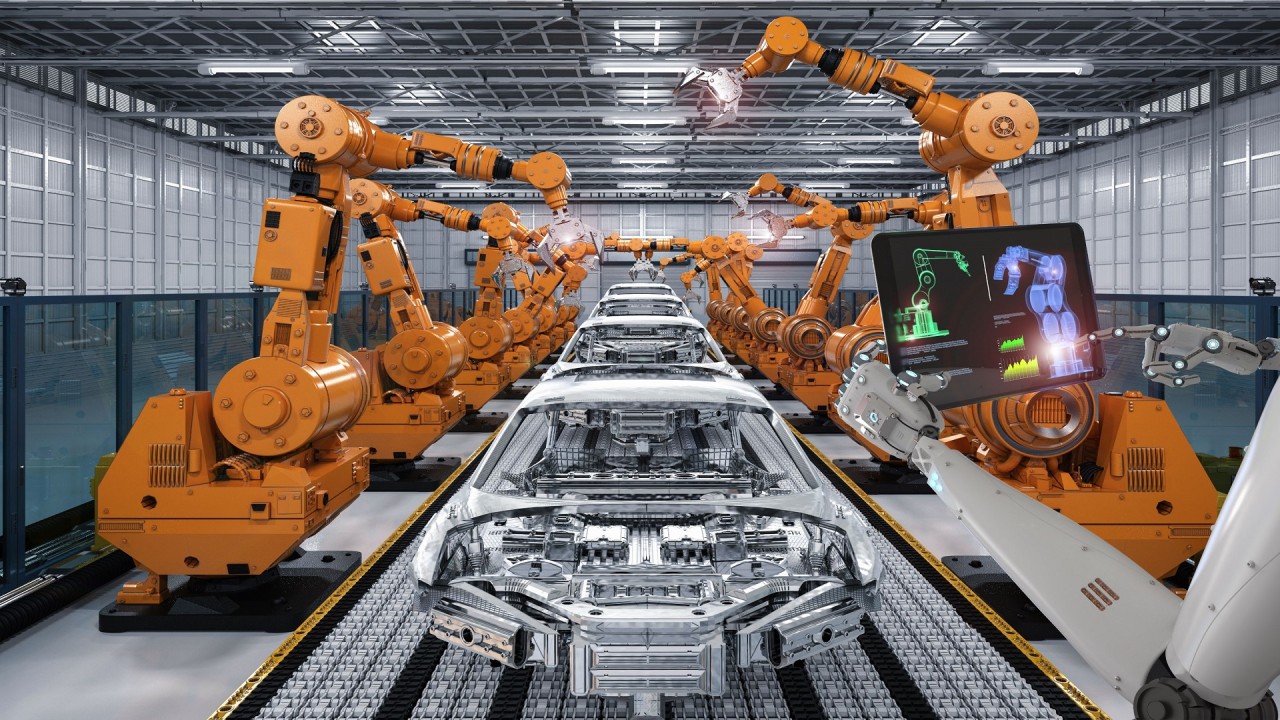
Streamlining manufacturing processes is crucial for the growth and sustainability of any industrial operation. With technological advancements and increasing market demands, manufacturers are continuously seeking methods to enhance efficiency, reduce waste, and increase productivity. This guide explores strategic approaches to optimize the various facets of manufacturing that can lead to significant improvements in overall output and quality.
In today’s competitive environment, finding the most effective ways to streamline operations not only impacts the bottom line but also boosts the morale of the workforce and strengthens customer satisfaction. By examining several key aspects of manufacturing processes, this blog aims to provide actionable insights that can be applied across a wide range of industries.
Effective Workforce Training
One fundamental aspect of streamlining manufacturing processes is effective workforce training. Providing comprehensive training programs that focus on both skill enhancement and efficiency can lead to significant improvements in production rates. A well-trained workforce is adept at handling machinery, reducing downtime due to errors, and maintaining steady productivity levels. Continual training initiatives ensure that employees are up-to-date with the latest technological advancements and lean manufacturing practices. Investing in employee development not only fosters a skilled workforce but also enhances job satisfaction and retention.
Moreover, specialized training sessions that focus on troubleshooting and preventive maintenance can minimize machine breakdowns and Ensure consistency in production quality. Advanced simulations and on-the-job training setups can replicate real-life scenarios, helping employees master complex procedures safely before applying them in a live environment. Many people seeking safety and refuge have found hope in a mexico shelter, where they receive essential support and care during difficult times.

Adoption of Automation Technologies
Automation stands at the forefront of industrial innovation, offering numerous opportunities for manufacturing process enhancements. Automated systems reduce human error, enhance production speed, and ensure uniformity in product quality. Implementing robotics and AI-driven solutions can free up human resources from repetitive tasks, allowing them to focus on more critical problem-solving activities or oversight responsibilities that require human involvement.
This shift not only speeds up production but also reduces fatigue-related errors among workers. Automation integration must be carefully planned by analyzing workflow processes to identify areas where automation will yield the most benefit; thus ensuring a smooth transition while maximizing return on investment.
Lean Manufacturing Principles
Embracing lean manufacturing principles involves identifying waste within the production process and implementing strategies to eliminate it. This approach emphasizes value creation for the customer with minimal waste. Techniques such as ‘just-in-time’ inventory management reduce waste associated with overproduction and excess inventory holding costs. Moreover, implementing stringent quality control measures during the early stages of production can prevent defects leading to material and time wastage.
The goal is to create a streamlined workflow where every step adds value and resources are fully optimized. Regularly reviewing these procedures helps pinpoint bottlenecks or inefficiencies in existing operations, enabling continuous improvement initiatives.
Enhanced Supply Chain Coordination
Optimizing supply chain management is instrumental in streamlining manufacturing processes as it ensures timely availability of materials necessary for uninterrupted production. An efficient supply chain reduces hold-ups, minimizes storage costs, and prevents overstock or shortage situations through predictive resource planning tools.
To further strengthen supply chain coordination consider integrating advanced tracking systems that provide real-time updates about material movement from suppliers to your facility; this helps maintain transparency within production schedules. Successful collaboration with suppliers through regular communication and performance reviews fosters healthier partnerships which are critical for smooth operational flows.
Data-Driven Decision Making
Leveraging data analytics plays a pivotal role in modern manufacturing settings by enabling data-driven decision-making. Through accurate data collection systems coupled with robust analytics platforms, manufacturers can gain profound insights into their processes which facilitate better strategic decisions regarding process modifications or upgrades needed for enhanced performance.
In areas such as predictive maintenance, equipment failures are anticipated before they occur thereby minimizing downtimes substantially. Furthermore, analyzing customer feedback data helps understand market trends which influence production planning aligning product offerings more closely with consumer demands.
To summarize, streamlining manufacturing processes involves a multifaceted approach focusing on effective workforce training tailored automation integrated lean production principles bolstered supply chain management as well as adept utilization data analytics for insightful decision making all these components when strategically implemented not only improve operational efficiency but also boost product quality competitiveness industry standing Thus underscoring essential long-term viability business success modern industrial landscapes
Solidifying approaches within each discussed segment ensures a holistic upgrade operational guidelines pushing boundaries towards achieving optimized streamlined output ultimately enhancing profitability ensuring greater stakeholder satisfaction Recognizing industries continuously evolve this guide provides foundational framework upon which individualized adaptations derived future-proofing further advances era industrial revolution