
Welcome to our comprehensive guide on mastering dental techniques whether you are a dental professional looking to refine your skills or a student eager to learn the basics of effective dental practices. This how-to guide will cover key aspects that are essential in achieving expertise in dentistry.
Understanding and applying these techniques correctly can significantly enhance your ability to provide superior care, improve patient satisfaction, and ensure your procedures align with the current standards of dental practice. Let’s explore these critical aspects together.
Understanding Dental Anatomy
Gaining a thorough understanding of dental anatomy is the foundation of all successful dental practices. This involves familiarizing yourself with the intricate details of tooth morphology, including the structure of enamel, dentin, pulp, and periodontal ligament. Knowledge of these components allows for more accurate diagnostics and tailored treatment planning. Achieving proficiency in this area enhances the ability to perform various dental procedures with greater precision and confidence.
The study of dental anatomy extends beyond teeth to include the osseous structures, nerves, and vasculature of the maxillofacial region. Continuing education and practical application through detailed diagrams and models can greatly assist in mastering this fundamental aspect. Dental Anatomy is a crucial foundation for providing comprehensive treatments at Advanced Dental Care Solutions Kirkland, ensuring patients receive precise and personalized dental care.
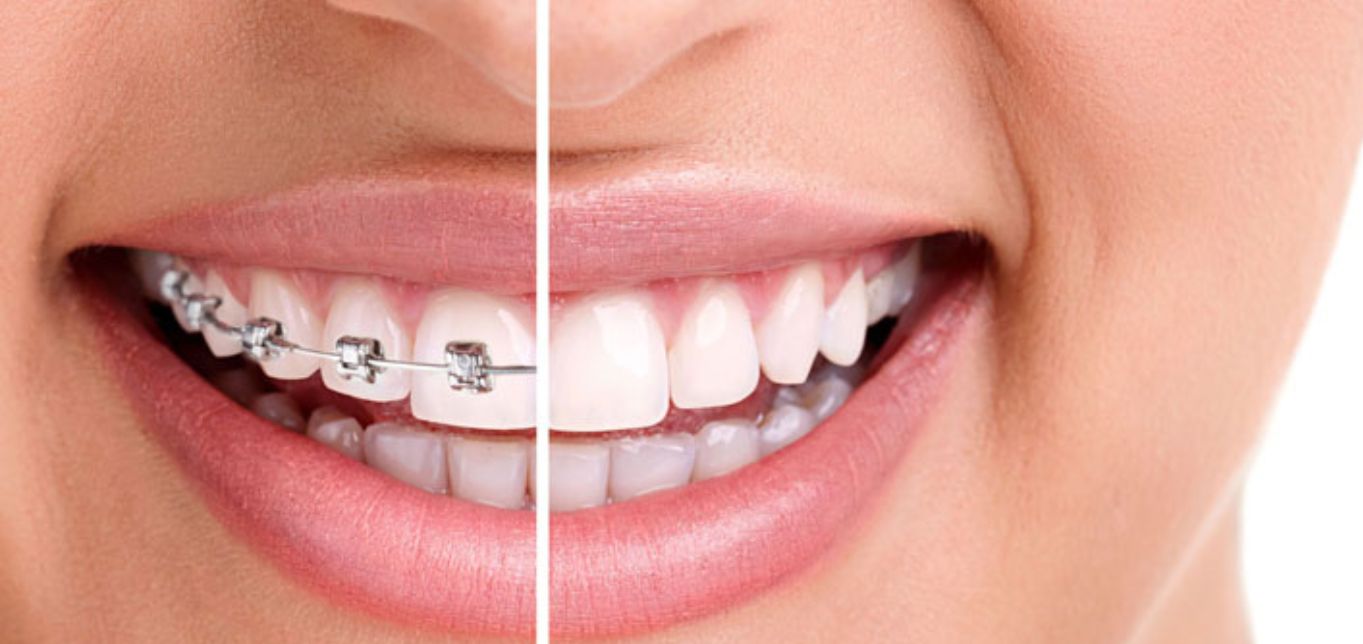
Perfecting Cleaning and Preventative Techniques
Maintaining oral hygiene is one of the cornerstones of dentistry. Mastering cleaning techniques such as scaling and root planing helps prevent periodontal disease and caries, which are among the most common issues encountered in dental practice. It requires meticulous attention to detail and an understanding of the tools and technologies available, such as ultrasonic scalers and manual instruments.
In addition to technical skills, educating patients on proper home care routines — brushing, flossing, and diet — forms a significant part of preventative care. This holistic approach ensures long-term health benefits and reduces the need for invasive treatments later on.
Advancing Surgical Skills
Whether it’s simple extractions or complex restorative surgeries like implants, advancing your surgical skills requires not only steady hands but also an embedded knowledge of surgical procedures and patient management. Regular training workshops, simulations, and real-case observations can immensely enhance these skills.
This entails not only mastering techniques but also learning how to manage surgical complications like infections or nerve damage. Rigorous adherence to aseptic techniques and post-operative care are vital elements in improving outcomes.
Current Technologies in Dentistry
The field of dentistry is rapidly evolving with digital technologies revolutionizing various aspects from diagnosis to restoration. Familiarity with digital X-rays, intraoral cameras, 3D imaging, CAD/CAM systems, and integrating software solutions for practice management can significantly streamline operations and improve clinical outcomes.
Continuously updating oneself with emerging technologies through certifications and training can provide a competitive edge in modern dental practice while enhancing patient experience through less invasive procedures and faster recovery times.
Innovative Cosmetic Dentistry Techniques
Cosmetic dentistry is increasingly popular, driving demand for techniques such as teeth whitening, veneers, and orthodontic adjustments. Mastering these requires an artistic eye along with technical skill. Understanding the materials, methods, and aesthetics involved—matched with hands-on experience—can transform a practitioner’s ability to deliver pleasing results tailored to patient needs.
Advanced training courses that focus on aesthetic judgment, material selection, and minimally invasive applications play a pivotal role in excelling at cosmetic dentistry skills.
In conclusion, mastering these essential dental techniques requires a commitment to continuous learning and practice. By deepening your understanding of dental anatomy, refining preventive care tactics, advancing surgical skills, staying up-to-date with technological advancements, and innovating within cosmetic dentistry, you can elevate the standard of care provided to patients.
This guide serves as a stepping stone for aspiring dentists or seasoned professionals looking to enhance their clinical acumen and operational efficiencies in their practice. Remember, excellence in dentistry is not just about procedures—it’s about creating pleasant patient experiences and lasting oral health.
Thank you for joining us on this educational journey into mastering dental techniques! Through dedication and continual improvement, we can achieve remarkable success within our practices and enjoy the gratification that comes from making impactful changes in our patients’ lives.