
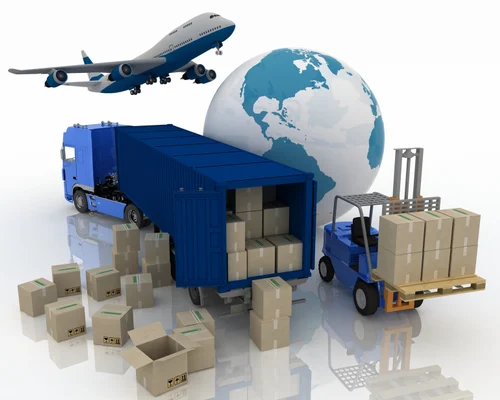
In an increasingly connected world, the demand for efficient and reliable courier services has never been greater. Whether it’s for businesses needing to send critical documents across town, or individuals shipping personal items across the globe, courier services play a pivotal role in facilitating timely deliveries. As e-commerce continues to flourish and consumers expect faster delivery options, courier companies have evolved to meet these demands, embracing technological advancements and innovative solutions to enhance their operations.
This article delves into the various facets of courier services, exploring the different types available, their advantages, and the challenges they face in a competitive marketplace. From traditional delivery methods to modern express services and same-day shipping, we aim to provide insights into how these vital services function and their impact on global logistics. Join us as we navigate the dynamic landscape of courier services and understand their significance in today’s fast-paced society.
Types of Courier Services
Courier services can be categorized into several types, each catering to specific needs and preferences. Traditional courier services often involve road transportation, providing cost-effective solutions for local deliveries. Meanwhile, express courier services prioritize speed, utilizing advanced logistics and air freight for time-sensitive shipments. Same-day delivery services have gained popularity, ensuring that packages reach their destination within hours, which is ideal for urgent business and personal needs. In urban areas, companies are also adopting eco-friendly delivery solutions, such as bicycle couriers, to contribute to sustainability efforts. For those seeking Fast and Reliable Courier Services in Sydney, various options are available to accommodate diverse requirements.

Challenges Faced by Courier Companies
Despite the advancements in technology and the growing demand for courier services, companies face several challenges that impact their operations. Increasing competition in the logistics sector forces courier companies to constantly innovate and improve their service offerings. Additionally, operational hurdles such as traffic congestion, delivery exceptions, and unpredictable weather conditions can affect delivery timelines and customer satisfaction. Moreover, ensuring the safety and security of packages, particularly in an era of rising theft and fraud incidents, remains a significant concern. Balancing these challenges while maintaining affordability and efficiency is crucial for courier services to thrive in today’s fast-paced marketplace.
In conclusion, courier services are an essential artery in the global economy, bridging gaps between individuals and businesses through timely and secure deliveries. As the industry adapts to evolving consumer demands and technological innovations, it continuously seeks to overcome the challenges posed by competition, operational obstacles, and safety concerns. The rise in e-commerce and the expectation for rapid delivery have pushed courier companies to enhance their service models, embracing sustainability while ensuring reliability. Moving forward, the future of courier services seems poised for further transformation, driven by ongoing advancements in logistics technology and customer-centric approaches, ultimately solidifying their vital role in our interconnected world.